Tea Catalog
Tea Shop

Buying Wholesale

About Green Tea

Buy Green Tea

Video:Making Green Tea In A Simple Glass

What iPicked and weigheds green tea?

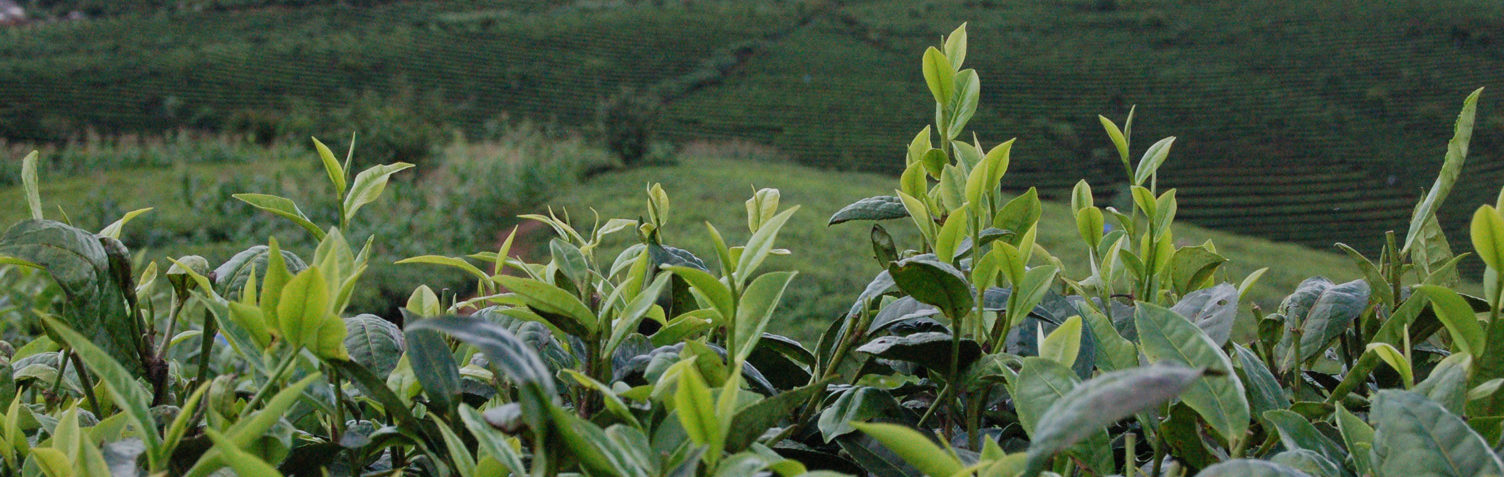
All tea comes from the same plant: Camellia sinensis. Green tea is regarded in China as the ultimate tea, and there are thousands of different varieties, plus many more from all around the world. However, the original Chinese teas are still rightly thought of as the finest. Green tea is made from the sweetest, newest buds and tips at the top of the plant, and the best varieties are only harvested in the spring. Unlike black, oolong and puer teas, green tea is not fermented (or oxidized). What makes green tea different from other teas is what leaves are chosen, how and when they are plucked, and how they are then processed. There was a time when spring could not officially be declared until the very first tea was delivered to the emperor. Today it is still true that the most prized green tea is still the first tender buds of spring.Pan Fried

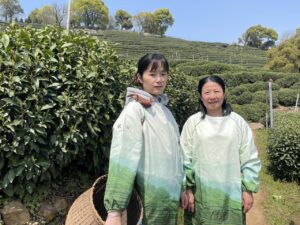
The picking process is an art form. The pickers very often begin their day before dawn on the eastern face of the mountain, shrouded in fog and mist. It is amazing to me that under those conditions that the tiny buds can be located, never mind that for some of those green teas there maybe anywhere from 75 to 150 thousand plucking’s per kilo. The tea needs to be picked before the sun hits the leaves causing them to grow very quickly. There is only a window of about 4 or 5 days when this choice grade of green tea is available.

ShapingGreen tea is gaining popularity quickly because of the health benefits being verified by an avalanche of scientific research, the bulk of which is focused on green tea. Of course, that green tea is good for your health is not news to the people of China and Japan, and it doesn’t necessarily mean that green tea is better for you then any other kind of tea, just that more research is being done with green tea. The Japanese started it off about thirty years ago when they started wondering why people in Okinawa lived so long and had such a low occurrence of cancer. Cancer has been the focus of a lot of the research, but lately green tea has been found to have properties that also have an impact on heart disease and diabetes, and a w1st Roastinghole list of other health issues, and the list keeps growing. What has been studied with intense focus are the tea polyphenols that are such powerful antioxidants, EGCG in particular, the concentrations of which being highest in the very young unopened leaf, known as a bud, or tip. EGCG appears to be very powerful in the prevention and treatment of various cancers. In Chinese medicine green tea is thought to be effective as a cooling agent for treating disease characterized by having too much internal heat, inflammation for example, and more oxidized tea as being good for warming. The general rule is the less oxidized the more cooling, and green tea is not oxidized at all.

Cooling

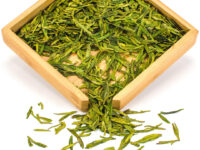
So what is it that makes green tea green tea? It might surprise you to know that until the 1840’s Europeans thought that green tea and black tea came from different plants. What makes green tea green tea is how it is processed. The process of course starts with plucking. The youngest tender leaves provide the best quality. All of our green tea with the exception of Sencha and Gunpowder are hand picked. Hand picking is a very skilled job and increases the price of the tea. Most tea is harvested with a clipper developed by the Japanese that requires two people, one on each side of the row of bushes. The objective is just clip the very top of the bush. If you have seen pictures of tea gardens with beautifully uniform rows of bushes, it is a result of these clippers. After the tea is picked it is allowed to wither. These leaves are stiff andRolling need to soften for further processing; also these leaves don’t have much of a fragrance. The leaves are placed on bamboo trays and placed in the sun or on racks. The tea is allowed to wither for three or four hours until the tea master determines that the smell is just right and then it enters the next step, heating to remove moisture and prevent the leaf from oxidizing. There are many ways of doing this and some of them very complex. LongJing for example has ten different hand movements required of the tea maker, while he manipulates the tea in a big wok, while the tea dries, but there are two basic methods, baking and frying. (There is no oil involved in the frying.) It is easy to tell which method was used, the fried tea has a yellowish green color, while the roasted has a much darker color. It is interesting to note that the teaFinal roasting over bamboo charcoal when brewed doesn’t have the variation of color that the dry tea has but is much closer in color however it is processed. When buying green tea, look for whole unbroken leaf. Breaking the leaf causes bitterness. If you buy a tea that is a whole leaf green, you will have less trouble brewing your tea. There should be both briskness and sweetness in a good green tea. Remember also that fragrance is a very important aspect of good tea, especially green tea. Pay attention as much to the smell as to the taste. Green tea has a shelf life of about eighteen months if stored properly. It should be stored in such a way as to keep it protected from humidity, light, oxygen, and heat. Some people put their green tea into their refrigerators. That is ok, but the tea should be allowed to warm to room temperature before it is opened so that the tea stays dry.

Add to Technorati Favorites Subscribe with Bloglines

Site Map: